Caulk shelf life: how to store cartridges
Caulk shelf life is the time an unopened cartridge stays usable when it's stored correctly, and it's printed on the product's data sheet. Senta 100% RTV Silicone has an 18-month shelf life unopened, stored dry between 40 °F and 105 °F. Heat, freezing and moisture shorten that, so keep cartridges in a dry, temperature-controlled spot and use the oldest stock first.
Why sealant has a shelf life
Most sealants start to change as soon as they're made.
- Moisture-cure silicone cures by reacting with humidity in the air. The cartridge keeps air out, but over time, and faster in heat, the material can slowly thicken. Eventually it won't extrude or won't cure properly.
- Water-based acrylic caulk contains water. Freezing can damage it, and long storage in heat can make it separate or thicken.
An expired cartridge isn't dangerous, but it can lead to poor adhesion, a bead that won't cure or a bead that's lumpy and hard to tool. That's a lot of risk on a job to save the cost of a tube.
Caulk shelf life for Senta products
| Product | Shelf life and storage |
|---|---|
| Senta 100% RTV Silicone | 18 months unopened, dry, 40–105 °F |
| Senta Siliconized Acrylic Latex Caulk | See the product's data sheet; store dry and protect from frost |
Shelf life counts from the manufacturing date, not the day you bought the tube. Look for the batch or date code on the cartridge. If you're unsure how to read it, contact us with the code.
How to store unopened cartridges
- Keep them in range. For Senta silicone, that's 40–105 °F. A conditioned shop, basement or storage room is ideal.
- Keep them dry. Store off concrete floors and away from leaks or condensation. Damp cardboard cases weaken and labels peel.
- Keep them out of the sun and hot vehicles. A truck cab or trailer in summer can easily go above 105 °F.
- Protect water-based caulk from freezing. Don't leave acrylic caulk in an unheated garage, shed or trailer over winter.
- Store cartridges upright or flat in their case. Either works; just avoid crushing them under heavy loads.
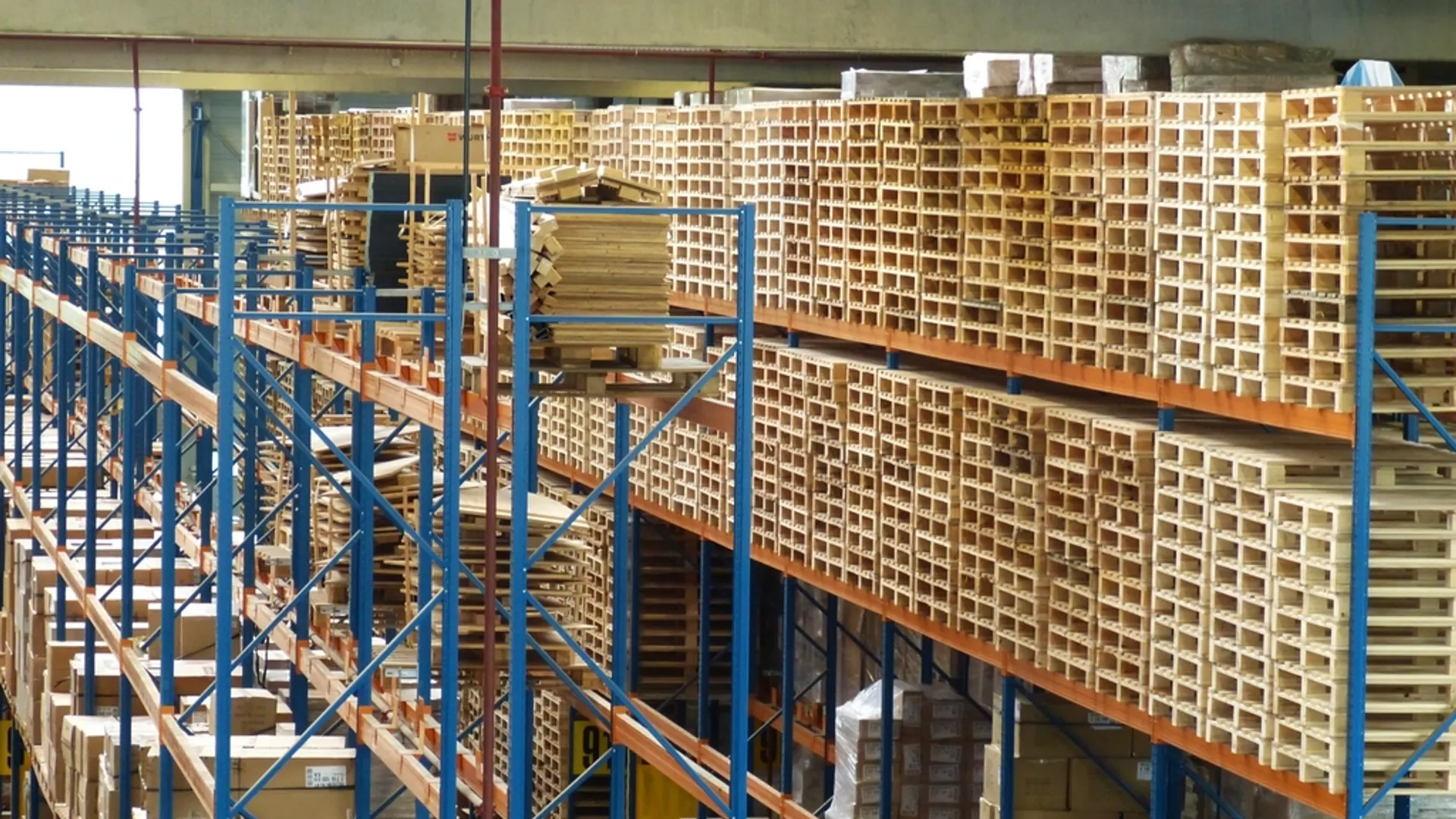
- Rotate stock. First in, first out. Put new cases behind older ones so the oldest gets used first.
How to save a partly used cartridge
An opened cartridge of moisture-cure silicone starts curing at the nozzle almost immediately. You can slow it down:
- Leave a little sealant in the tip. Release the pressure on the gun so it stops flowing.
- Plug the nozzle. Push a long screw or nail into the tip, or cap it with a nozzle cap made for the purpose.
- Seal it. Wrap the tip with tape or put the cartridge in a sealed plastic bag to limit air exposure.
- Store it with the unopened stock, in the same dry, moderate conditions.
- Before reuse, clear the plug. Pull the screw out; the cured plug usually comes with it. If not, cut the nozzle back past the cured section.
Expect an opened silicone cartridge to last weeks rather than months, depending on how well the tip is sealed. For water-based caulk, the same capping approach helps keep the tip from drying out.
How to tell if caulk has gone bad
Before a job, run a short test bead on cardboard or scrap:
- Hard to squeeze or won't come out: the material may have thickened or started to cure in the tube.
- Lumpy, stringy or grainy: a sign of partial curing or separation.
- Separated liquid in water-based caulk that doesn't mix back in.
- Won't skin or cure: Senta silicone normally skins in 8–20 minutes at 70 °F and 50 % relative humidity. If a test bead is still wet long after that in normal conditions, don't use it.
- Past the date: even if it seems fine, an expired cartridge isn't worth risking on a job.
When in doubt, use a fresh tube. The rest of the job, from prep to tooling, depends on sealant that cures as designed. If the cured bead fails later, our guide on why caulk fails helps track down the cause.
Tips for contractors and stores
- Buy quantities you'll use well within the shelf life.
- Mark the receiving date on each case.
- Keep cases off the floor and away from loading doors in winter and summer.
- Keep a copy of the technical data sheets handy so the crew can check storage and application ranges.
FAQ
How long does silicone caulk last unopened?
Senta 100% RTV Silicone has an 18-month shelf life unopened when stored dry between 40 °F and 105 °F. Other products differ, so check each data sheet.
Can I use caulk that froze?
Water-based acrylic caulk can be damaged by freezing; do a test bead and discard it if it's grainy or separated. Store all cartridges within the range on the data sheet.
How long does an opened tube of silicone last?
It depends on how well you seal the tip. With a plugged and wrapped nozzle, expect weeks rather than months, and always run a test bead first.
For storage ranges and other details, see the Senta technical documents.