Sealants for countertop installs: what fabricators should know
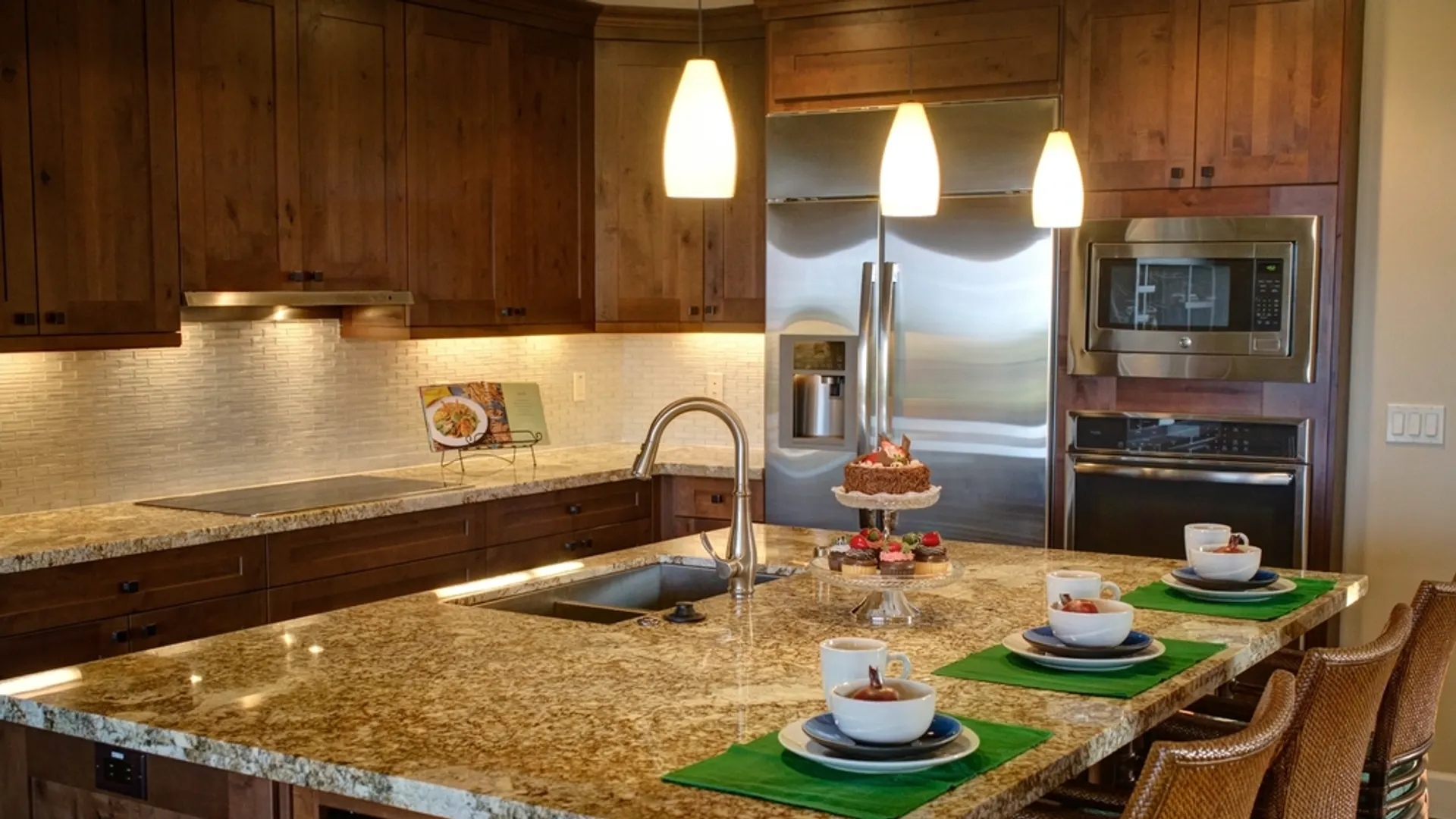
The right sealant for countertops depends first on the countertop material. On non-porous surfaces such as stainless steel sinks, laminate and many engineered or solid-surface tops, a 100% silicone is commonly used for sink rims and backsplash joints. On porous natural stone such as marble, granite, limestone and travertine, acetoxy silicone is not recommended. There, follow the stone supplier's recommendation for a stone-safe, neutral-cure sealant.
Start with the stone: porous vs. non-porous
Most callbacks on countertop sealant come from using the right product on the wrong surface.
Porous natural stone (marble, granite, limestone, travertine, quartzite, soapstone and other natural stone): acetoxy silicone, the vinegar-smell type, is not recommended on these surfaces. Senta 100% RTV Silicone is an acetoxy silicone, and its data sheet lists porous natural stone among its limitations. For natural stone, use the sealant the stone supplier recommends, usually a stone-safe, neutral-cure product.
Non-porous surfaces (stainless steel, glass, glazed ceramic tile, laminate, and many engineered stone and solid-surface products): Senta silicone bonds to glass, aluminum, metals, wood and most common non-porous building materials. For engineered and solid-surface tops, check the countertop manufacturer's installation guidelines for their sealant requirements and run a small test when in doubt.
Sinks and fixtures: stainless steel is a metal Senta silicone bonds to. Copper and brass sinks are a different story: acetoxy silicone should not be used on copper, brass, lead or other sensitive metals.
Where fabricators use sealant on an install
- Undermount and drop-in sink rims: the joint between the sink and the underside or top of the counter
- Backsplash to countertop: the joint where a splash or wall tile meets the deck
- Countertop to wall: gaps where the top meets an uneven wall
- Around cooktops and fixtures: follow the appliance maker's instructions, since some specify their own sealant or gasket
Seams between countertop pieces are a separate job, typically done with the seam adhesive specified for that material, not with sealant.
What to look for in a countertop sealant
- Compatibility with the countertop and sink material. This is the deciding factor.
- Mold and mildew resistance for sink and backsplash joints that stay damp. Senta silicone is mold and mildew resistant.
- Flexibility so the joint survives small movement. Senta silicone handles ±25 % joint movement (ASTM C920 Class 25).
- Color match. Clear blends with most tops, White or Translucent White suit white sinks and splashes, and custom colors are available on request.
- Non-sag body for vertical backsplash joints. Senta silicone shows 0 in sag (ISO 7390).
Tools and materials
- Sealant suited to the countertop and sink material
- Caulking gun
- Painter's tape
- Isopropyl alcohol or the cleaner the countertop maker recommends
- Lint-free cloths
- Tooling spatula
- Razor scraper for glass or glazed surfaces only
- Gloves and safety glasses
Clean joints on a non-porous countertop install
- Confirm the surfaces. Make sure neither side of the joint is natural stone, concrete, a mirror or a sensitive metal before using acetoxy silicone.
- Clean and dry. Remove dust, slurry residue and oils. Wipe with isopropyl alcohol or the manufacturer's recommended cleaner and let dry.
- Tape both edges. Tape gives a crisp line on visible backsplash joints.
- Size the joint. Joint depth should be about half the width; Senta's minimum is 5 × 5 mm.
- Apply and tool. Run a continuous bead and tool within 5 minutes, then pull the tape.
- Ventilate. Acetoxy silicone gives off a vinegar smell while curing. Keep the kitchen ventilated.
- Brief the customer. Senta silicone cures at about 1/8 in of bead depth per 24 hours. Ask the homeowner not to scrub or soak the joint until it has cured, and to avoid bleach on it during that time, since acetoxy silicone can yellow if exposed to bleach while curing.
Undermount sinks: a note on support
Sealant at an undermount rim seals the joint; it isn't what holds the sink up. Use the clips, brackets or support system specified by the sink and countertop maker, and seal the rim as a separate step.
FAQ
Can I use acetoxy silicone on granite or marble?
It's not recommended. Acetoxy silicone isn't suited to porous natural stone. Follow the stone supplier's recommendation for a stone-safe, neutral-cure sealant.
What sealant should I use on a stainless steel undermount sink with a laminate or engineered top?
A 100% silicone is commonly used on stainless steel and other non-porous surfaces. Confirm the countertop maker's requirements and test if you're unsure.
Can I use silicone on a copper sink?
Not acetoxy silicone. It shouldn't be used on copper, brass or other sensitive metals. Use a sealant the sink maker recommends.
For non-porous countertop joints, review the Senta technical documents before you specify a sealant.